Beginner's Guide to Living in a Container House
Aug. 07, 2026
For individuals seeking affordable and eco-friendly housing solutions, Container Homes offer a multifaceted response to pressing housing challenges. These innovative structures not only provide a sustainable living option but can also be transformed into modern residences, addressing problems like high construction costs and lengthy build times, which often hinder homeownership. Container Houses typically utilize repurposed shipping containers, presenting an environmentally conscious choice while delivering customized living spaces that cater to various lifestyle needs.
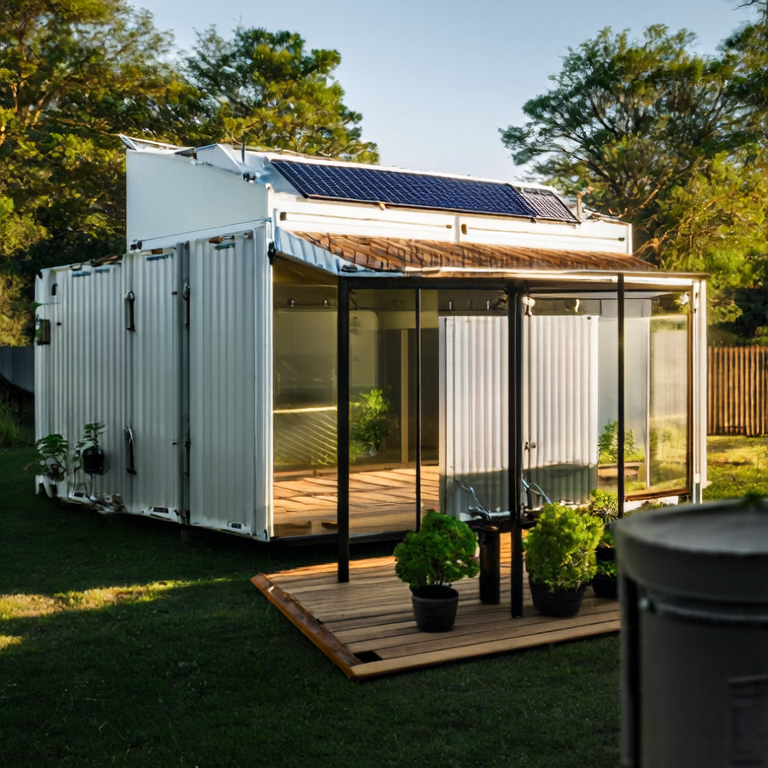
Container homes, also referred to as shipping container houses, are constructed using steel shipping containers, typically measuring 20 to 40 feet. The structural integrity of these containers results in impressive durability, with the ability to withstand winds of up to 150 mph and temperatures ranging from -40°F to 140°F. Notably, a well-insulated container house can reduce heating and cooling costs by as much as 50%, making it a practical investment for homeowners. In addition to their physical resilience, container homes can be modified with various materials and technologies, such as solar panels and energy-efficient windows, supporting sustainability goals.
Transitioning to a container home involves several steps that require careful planning and execution. Below, we break down the process into manageable stages, equipped with essential tools and real-life case studies to guide your journey.
Yes, container homes can be quite cost-effective. The average cost of building a container home can range from $10,000 to $35,000 depending on customization and location.
Typically, the building process can take anywhere from 3 to 6 months, depending on the complexity of the design and necessary permits.
Absolutely. With proper insulation and energy-efficient systems, container homes can reduce energy consumption significantly.
If you are looking to take your container home project to the next level, consider integrating innovative technologies such as rainwater harvesting systems or greywater recycling systems. These not only improve sustainability but also contribute to significant cost savings over time.
For those ready to embark on their container living journey, connect with Jiacheng, a leader in container home designs, for assistance in selecting the right containers and customization options. Their expertise can streamline the process and ensure a hassle-free experience, making your sustainable dream home a reality.
 Jiacheng" />
Hot-Sale Product