Building Code Compliance for Container Homes
Jul. 04, 2026
Building code compliance for container homes is crucial for anyone considering this innovative housing solution. Many people are intrigued by the idea of living in foldable container homes. However, they often encounter challenges related to building codes and regulations. Understanding these rules can be daunting. It is essential to know how to navigate local regulations, ensure safety, and create a functional living space. Container homes offer flexibility, affordability, and sustainability. Yet, without proper compliance, your dream home could turn into a nightmare.
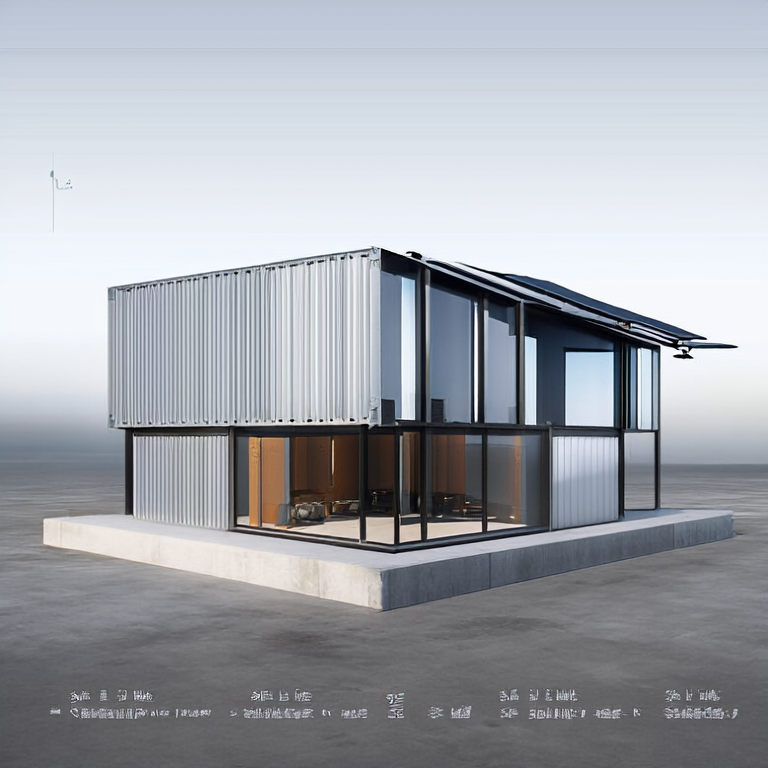
Building code compliance for container homes involves meeting local regulations while ensuring safety, habitability, and durability. It's important to research and follow the specific guidelines in your area to avoid legal issues. Many states have unique requirements that vary by location, including zoning laws and construction standards. Understanding these rules helps you create a safe and approved living space.
Start by looking up local building codes specific to container homes. These codes can vary greatly by city or county. Local governments often have online resources or office staff willing to help. Make sure to understand the zoning laws before purchasing land for your container home.
Container homes must meet certain safety standards. The structural integrity of the containers should be inspected before purchase. Look for certifications indicating that the container is suitable for residential use. It's crucial to ensure that any modifications do not compromise the structure's safety.
Before starting construction, check with your local building authority for necessary permits. You might need to submit plans and undergo inspections throughout the building process. These inspections ensure that your container home meets all building codes, providing peace of mind for you and your future guests.
Connecting basic utilities like water, electricity, and sewage requires careful attention to local regulations. For example, some areas may have restrictions on the types of systems you can install. It’s best to consult with local utility companies for their requirements regarding container homes.
Different regions may have environmental concerns related to container home construction. These can include regulations on land use and waste management. Understanding these laws can help ensure that your container home respects the environment while also being compliant.
In summary, building code compliance for container homes is vital for ensuring a safe and functional living space. By understanding local regulations, meeting safety standards, applying for permits, connecting utilities, and complying with environmental laws, you can build the home of your dreams without legal troubles. Always prioritize compliance to enjoy the many benefits of living in container homes.
You must follow local building codes, obtain necessary permits, and ensure safety standards are met.
Yes, you can customize your container home, but ensure that any modifications comply with local building codes.
The permitting process can take a few weeks to several months, depending on local regulations and workload.
Yes, container homes can be eco-friendly due to their sustainability and use of recycled materials.
Yes, it is possible to finance a container home, but lenders may have specific requirements for compliance.
While it is possible to do it yourself, hiring professionals ensures adherence to building codes and safety standards for your container home.
Hot-Sale Product