Container Home Legal Requirements in the US
Jul. 04, 2026
Container home legal requirements in the US can be confusing. Many people want to live in container homes for their affordability and unique design. However, the legal regulations can vary widely from one location to another. Understanding these rules is important for anyone considering this type of housing. Zoning laws, building codes, and permits are some of the key areas to look into. Without proper knowledge, your dream of owning a container home could turn into a nightmare.
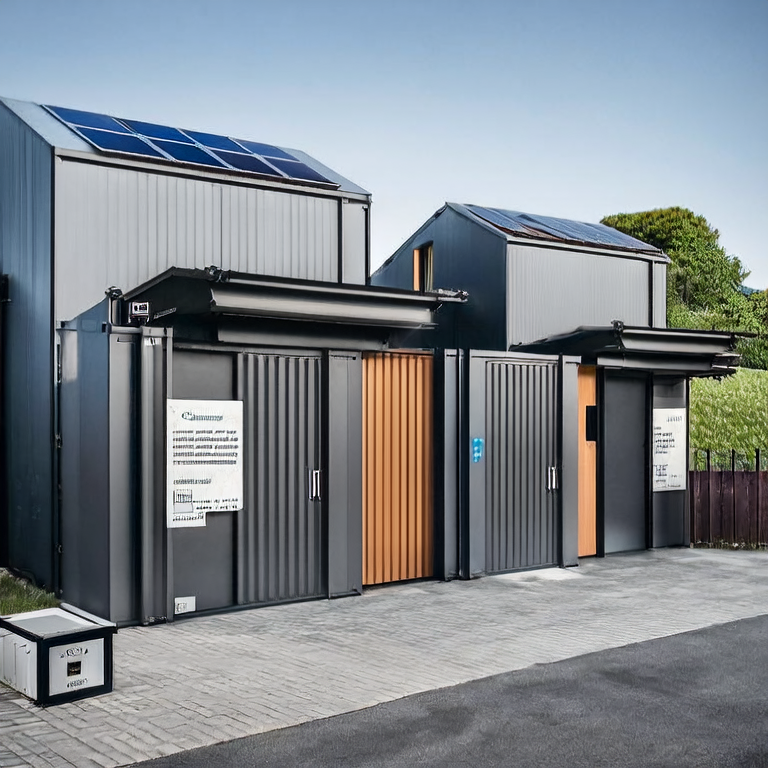
In the US, container home legal requirements vary by state and city. Key factors involve zoning laws, building codes, and necessary permits. Always check local regulations before starting your project.
Zoning laws dictate how land can be used. They affect whether you can place a container home on a specific piece of land. Here are some important points:
Building codes ensure safety and quality. Each city has different codes regarding construction materials and methods. Here are some key details:
Obtaining permits is a crucial part of building a container home. Without the right approvals, you could face fines or even be forced to remove your home. Typical permits required include:
Container homes may require different insurance than traditional homes. Here are some insurance factors to consider:
Community opinions can affect your project. Here are some ways to foster acceptance:
Understanding container home legal requirements in the US is essential for a successful project. Each state and city has unique laws regarding zoning, building codes, and permits. Before you start your container home journey, make sure to do thorough research and comply with all regulations. This will ensure that your dream home is safe and legal.
1. What is the first step to build a container home?
Check local zoning laws to determine if you can legally build a container home in your area.
2. Do I need a permit for a container home?
Yes, most locations require building permits and other approvals before starting construction.
3. Which insurance is best for a container home?
Look for specialized insurance providers that cover non-traditional homes.
4. Can I live in a container home year-round?
Yes, if you comply with local building codes and ensure proper insulation and utilities.
5. What are the benefits of living in a container home?
Container homes are often more affordable, customizable, and environmentally friendly.
6. Are container homes safe?
Yes, as long as they meet local building codes and safety standards.
Hot-Sale Product