Container House vs Traditional House: Key Differences
Jul. 04, 2026
Container houses are primarily made from repurposed shipping containers, offering a sustainable option. Traditional houses generally use wood, brick, or concrete, often resulting in longer construction times due to the need for onsite assembly and material sourcing.
• Container homes can be more affordable upfront, typically costing between $10,000 to $50,000. • Traditional homes often range from $100,000 to over $500,000 based on size and location. • Long-term maintenance costs may vary, with container homes potentially having lower ongoing expenses due to their durability.
• Container homes can be designed for high energy efficiency, with options for solar panels and green roofing. • Traditional homes may utilize various insulation materials but often are less optimized for energy use due to outdated designs.
Container houses often feature innovative layouts due to their modular nature, allowing for open-plan living. In contrast, traditional houses usually follow a more segmented approach, which can limit flexibility in use and adaptability to needs over time.
Container homes are constructed from steel, making them highly resistant to pests and extreme weather. Traditional homes can suffer from rot, termite damage, and harsh weather conditions, necessitating more regular maintenance.
• One of the greatest advantages of container homes is their mobility; they can be relocated easily if necessary. • Traditional homes, once built, are static and require significant investment to move, if at all feasible.
Container homes provide a unique aesthetic and customizable designs, allowing homeowners to express individuality. Traditional homes offer a variety of architectural styles, though customization may be limited by existing frameworks.
• Container homes are ideal for environmentally conscious individuals, minimalist lifestyles, or those seeking affordable alternatives. • Traditional homes may suit families looking for stability, larger living spaces, and a classic appearance.
In conclusion, whether you lean towards Portable Container Homes or a traditional house, it is essential to evaluate your lifestyle, budget, and long-term plans. At Jiacheng, we strive to provide innovative housing solutions for diverse needs. 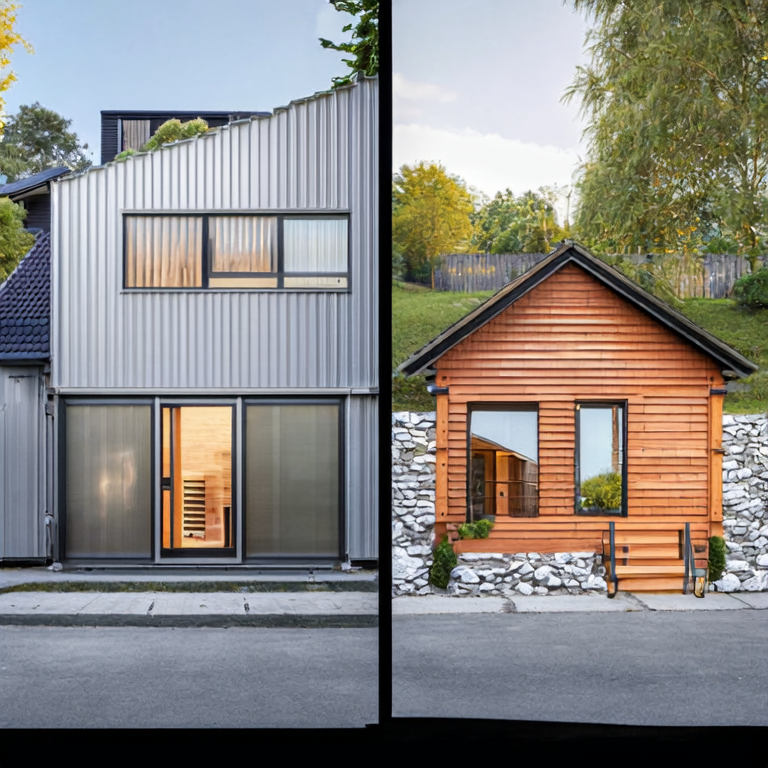 Jiacheng Container Homes">
Hot-Sale Product