Cost Guide for Building a Shipping Container Home
Aug. 10, 2026
Building a Shipping Container Home has increasingly become a popular choice for environmentally conscious individuals and families seeking affordable housing solutions. This guide addresses common issues such as budget constraints, design limitations, and the overall duration of construction, making the idea of living in a maritime container a tangible reality. With an average cost ranging from $10,000 to $35,000 for a basic shipping container home, individuals can craft stylish and sustainable residences while navigating the complexities of construction.
Before embarking on this unconventional housing journey, it’s crucial to understand some fundamental concepts. A Shipping Container Home is typically built using industrial-grade steel containers, which are designed to withstand harsh shipping conditions. Each container measures 20 to 40 feet in length, with a typical weight of around 2,200 kg for a standard container. Key terminologies include:
Identify your financial limits early on. A comprehensive budget for a shipping container home typically ranges from $30,000 to $150,000, depending on preferences, size, and customization. Factor in land, permits, utilities, and design expenses.
Choose between used or new ISO Containers; used containers generally cost between $2,000 to $5,000. Conduct a thorough inspection for structural integrity, rust, or any leaks, ensuring the future home’s longevity.
Create a blueprint addressing ventilation, natural lighting, and energy efficiency. Using advanced design software can cut the planning time by 50%, allowing for rapid iterations and modifications.
Check local building codes and zoning laws to ensure compliance. Costs for permits can range from $200 to $1,500, depending on location and complexity, which can avoid future legal complications.
A solid foundation is crucial. Costs are typically between $3,000 to $7,000 for a concrete slab or pier foundation. A properly prepared site decreases the risk of structural issues by up to 23%.
Cut openings for doors and windows, which usually costs $200 to $500 per opening. Select reputable contractors to ensure precision and structural integrity during modifications.
Insulate effectively using materials suited to your climate. Spray foam can cost about $1.50 per square foot, greatly improving energy efficiency and reducing heating costs by approximately 40%.
Install essential fixtures and finishes such as flooring, plumbing, and electricity, which can collectively range from $10,000 to $20,000. Utilize eco-friendly materials to enhance home sustainability.
Q: How long does it take to build a shipping container home?
A: On average, it takes about 3 to 6 months, influenced by complexity and contractor efficiency.
Q: Are shipping container homes durable?
A: Yes. ISO containers are engineered to endure 25 years under typical use, making them exceptionally tough.
Q: Can I build a shipping container home in any location?
A: This depends on local zoning laws and building codes. Always verify regulations before commencing construction.
For those interested in delving deeper, consider studying sustainability in building materials, advanced solar energy integration, or even exploring DIY build methodologies. Resources offering detailed material analysis and energy efficiency calculations can help homeowners optimize their designs.
In summary, constructing a Shipping Container Home provides a cost-effective and eco-friendly housing solution. For expert guidance and quality materials, consider contacting Jiacheng. With their professional expertise, you can transform your container home concept into a reality that meets modern living standards while being kind to the planet.
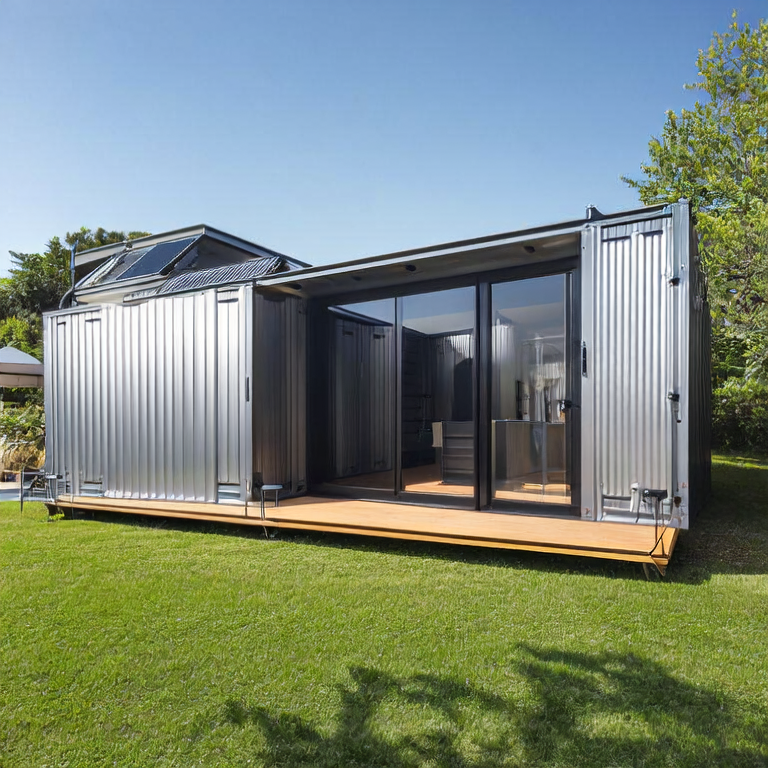 Jiacheng Shipping Container Home" />
Hot-Sale Product