Design Guide for Modern Container Houses
Jul. 07, 2026
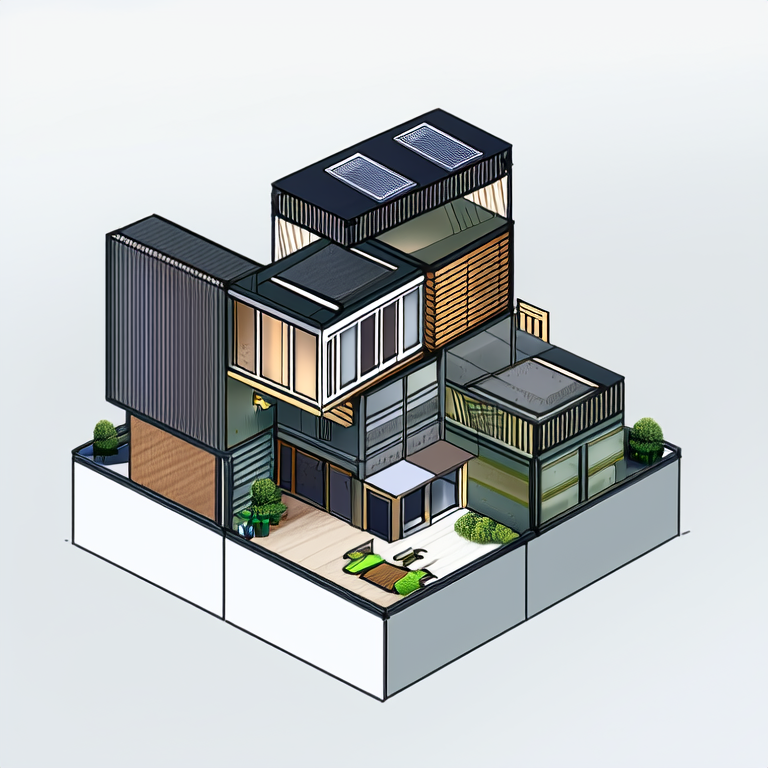
Container Houses, specifically Shipping Container Homes, cater to a wide range of individuals seeking affordable and sustainable housing solutions. These innovative structures address the challenges of rising real estate costs, decreasing availability of land, and the need for faster construction. With the potential to transform repurposed metal boxes into stylish, functional living spaces, container homes offer an eco-friendly alternative to traditional building methods. However, many potential builders face uncertainties regarding design, construction, and material selection. This guide aims to provide comprehensive insights into the design process and shed light on practical solutions, helping you create a container house that meets your unique needs.
Understanding key terminology, principles, and background information is essential for anyone considering a container house. A shipping container, typically made of COR-TEN steel, has a standard size ranging from 20 to 40 feet in length. This material is chosen for its yield strength of 350 MPa, ensuring durability and resistance to harsh weather conditions. Container houses incorporate sustainable architecture principles by promoting resource-efficient construction methodologies. These homes also boast energy-efficient features, such as insulation that can reduce energy costs by up to 30% compared to traditional homes.
The first step in your container house design process is to understand local building codes and regulations. Each municipality has specific zoning laws that dictate what can and cannot be built. Engaging with local authorities ensures that your container home complies with legal requirements, potentially saving you time and money later on.
Select the appropriate container based on your needs. Options include standard, high cube, and flat rack containers. The high cube offers an additional foot of height, making it ideal for creating lofted spaces or open-plan designs. Analyze the cost differential; for instance, the average cost of a used 20-foot container can be around $2,000, while a 40-foot container can reach $5,000.
Creating a functional floor plan is vital. Using software tools like SketchUp can assist in visualizing your design. Focus on maximizing natural light and ventilation by incorporating large windows, which can reduce lighting costs by up to 20%. Consider incorporating sustainable materials and energy-efficient appliances, further enhancing your design's eco-friendliness.
Insulation is crucial in maintaining a comfortable interior climate. Depending on your locale, choose appropriate insulation materials like spray foam or rigid foam board, which can achieve R-values of 7 to 8 per inch. This contrasts with traditional insulation, which may only reach R-values of 3 to 4, offering superior thermal performance.
Integrate energy-efficient systems, such as LED lighting and Energy Star-rated appliances. Studies show that using energy-efficient appliances can reduce electricity bills by 10-50%. Additionally, consider solar panels; recent data indicates that installing solar energy systems can lead to a 30% reduction in overall energy costs.
Don’t forget the exterior. Adding decks, gardens, or outdoor living areas enhances your container house's appeal and functionality. According to recent studies, well-landscaped properties can increase resale value by as much as 15%.
After following these steps, it's time to finalize your construction. Hiring a contractor experienced with shipping container homes is advisable, ensuring the structural integrity of your build. Expected completion time can vary, but container homes can be erected in as little as four months, significantly faster than traditional builds.
Q: How long do container houses last?
A: With proper maintenance, shipping container homes can last over 25 years.
Q: Are container houses safe during extreme weather?
A: Yes, when properly insulated and designed, they withstand high winds and heavy snowfall.
Q: Can I customize my container house?
A: Absolutely! Container homes can be customized in various ways, from layouts to finishes.
For those looking to deepen their understanding, consider exploring topics such as sustainable architecture principles in greater depth or advancements in prefabrication technologies. Resources like "Container Living: A New Approach to Housing" by Joshua B. Hayes provide insight into innovative designs and construction methodologies.
For a successful container home project, partnering with a reliable supplier like Jiacheng ensures access to high-quality materials and professional guidance throughout the building process. Whether you need containers, custom designs, or expert consultations, Jiacheng is ready to assist you in realizing your container house vision. Contact them today to get started on your journey towards sustainable living!
Hot-Sale Product