DIY Container Home Building Guide for Beginners
Jul. 04, 2026
Are you interested in creating a unique living space? A foldable container home could be the perfect solution. These innovative homes use shipping containers for construction. This design saves money and offers flexibility. A foldable container home is also eco-friendly, making it a popular choice among eco-conscious individuals.
Many people find traditional homes expensive and time-consuming to build. With a container home, you skip these issues. This guide will provide you with essential steps and tips for building your own container home. Are you ready to dive into this exciting project?
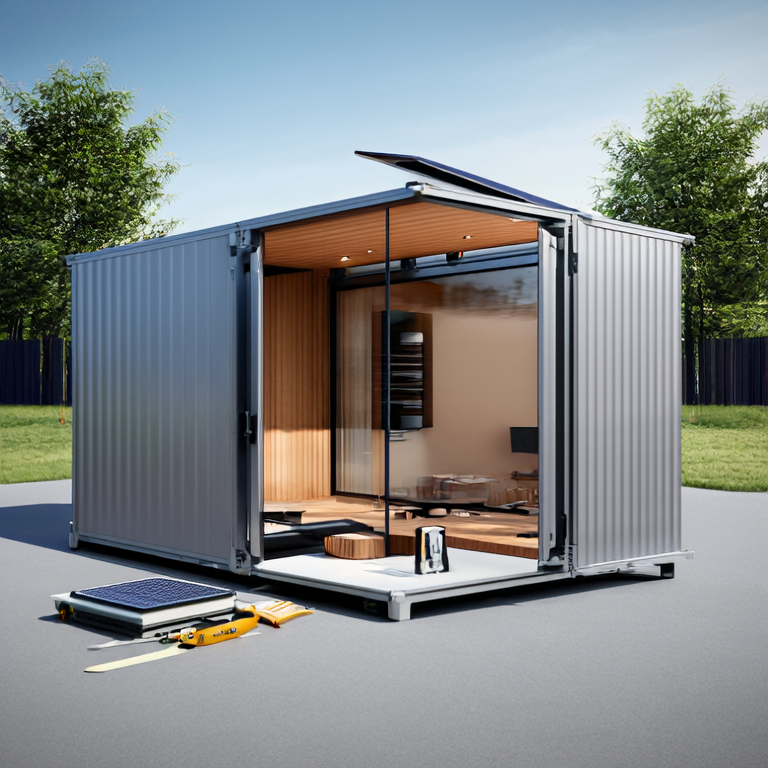
Building a foldable container home is an affordable and creative solution for housing. **This DIY guide offers step-by-step instructions and essential tips for beginners**. You can create a home that meets your needs without breaking the bank.
Before starting any project, determine your budget. This will help you know what features are feasible.
The location of your container home is crucial. Look for zoning laws and land requirements in your area.
Think about the layout. Consider how you want to use each area inside the container. Create a rough sketch for guidance.
Inspect the land where you will place your container. Check for level ground and drainage.
Ensure you get all the required building permits. This step is important for legal compliance.
Decide if you want new or used shipping containers. New containers are cleaner, whereas used ones are cheaper.
Inspect each container for dents, rust, or damage. Ensure they are safe and sturdy.
Use proper tools to cut openings for windows and doors. Ensure safety precautions are in place during this process.
Insulate your container to keep it comfortable in various weather conditions. Consider adding ventilation for airflow.
Choose flooring that suits your design. Options include laminate, vinyl, or hardwood. Finish the walls with paint or paneling.
Select furniture that fits your style and space. Opt for multifunctional furniture to maximize the area.
Add plants and pathways to enhance your container home’s curb appeal. This can also improve your outdoor living space.
Before moving in, conduct a thorough inspection. Ensure everything is safe and up to code.
In conclusion, building a foldable container home is an exciting venture. It allows you to create a unique space that can adapt to your needs. By following this DIY guide, you can create a container home that is both practical and stylish. Remember to consider your budget, design, and modifications carefully.
The average cost can range from $10,000 to $50,000, depending on size and finishes.
Building a container home can take anywhere from a few weeks to several months, depending on the complexity of the project.
Yes, container homes can be very safe if built with proper structural integrity and safety measures.
Yes, many people successfully build their own container homes. However, having some construction knowledge is helpful.
Yes, you will typically need permits from your local authorities to ensure code compliance.
Yes, container homes can be relocated, making them a flexible living option.
Hot-Sale Product