For many seeking affordable and sustainable housing solutions, the concept of a Container House has gained significant traction. However, most DIY enthusiasts often encounter challenges in navigating the complexities of this innovative construction method. As a leading Container House Manufacturer, Jiacheng understands the common pain points: finding appropriate materials, acquiring the right tools, and understanding local regulations. Our guide will comprehensively address these issues while providing actionable steps to streamline your container home building process, enhancing functionality and aesthetics.
Required Preparation for Building Your Container House
Before embarking on the journey of building a container home, there are several crucial preparations to consider:
- Research & Planning: Determine the design and layout that meets your needs. Consider your budget, desired square footage, and overall aesthetic.
- Materials: Acquire high-quality shipping containers, insulation materials, flooring, windows, and doors. For example, a standard 20-foot container typically costs between $2,000 and $5,000, depending on its condition.
- Tools: Key tools include a saw, drill, welding machine, and safety equipment such as gloves and goggles.
- Permits: Investigate local zoning laws and obtain necessary building permits to avoid costly fines or construction delays.
Step-by-Step Guidance on Building Your Container House
With the preparation complete, follow these actionable steps to build your container house:
- Select Your Location: Choose a flat, accessible site with essential utilities nearby.
- Foundation Setup: A strong foundation is essential. Concrete piers or a concrete slab should be laid down for stability.
- Framework Construction: Use steel reinforcements to connect the container securely and provide added structural integrity.
- Insulation Installation: Proper insulation (such as spray foam) can reduce energy costs by up to 30%. Install insulation before closing up walls.
- Windows and Doors: Cut openings in the container and install energy-efficient windows and doors to enhance natural light and ventilation.
- Interior Finishings: Apply drywall, install flooring, and add plumbing and electrical systems according to local building codes.
- Exterior Finishing: Consider painting or cladding the container to improve aesthetics and weather resistance.
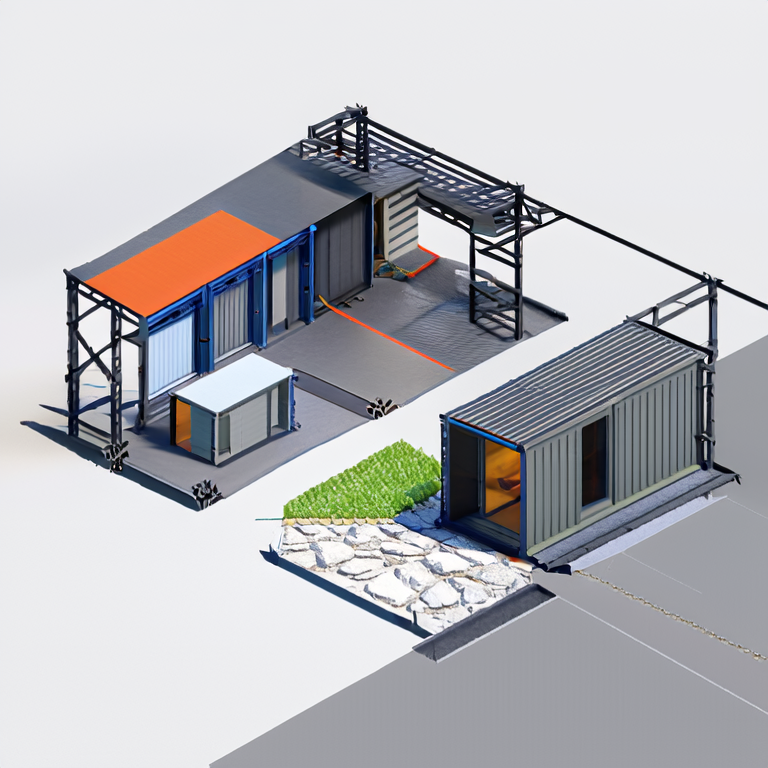
- Landscaping: Enhance the exterior with landscaping options such as a small garden or patio area for better functionality.
Common Errors and Solutions When Building a Container House
Here are some common mistakes to avoid during the building process:
- Ignoring Local Codes: Always check with local authorities before starting construction. Non-compliance can lead to serious repercussions.
- Overlooking Insulation Needs: Poor insulation can increase heating and cooling costs. Always select quality materials focused on energy efficiency.
- Rushed Planning: Shortcuts in planning can lead to delays and budget overruns. Take time to develop a solid blueprint and timeline.
Summary and Suggestions
Building a container house can be a rewarding endeavor that combines creativity with sustainability. By being mindful of common pitfalls and following the structured guidance provided, you can successfully navigate the complexities of container home construction. Always consider engaging with experienced builders or architects for additional expertise, and explore companies like Jiacheng for quality container options.
FAQ
1. How long does it take to build a container house?
The time frame varies widely depending on complexity, but a basic container house can take anywhere from 3 to 6 months to complete.
2. Can container houses withstand extreme weather?
Yes, when properly designed and insulated, container houses can withstand harsh weather conditions, including strong winds and rain.
3. What are the financing options for a container house?
Many banks and mortgage companies offer loans specifically for alternative homes, including container houses. Be sure to check with financial institutions for specific terms.