How to Customize a Container House Design

Aug. 04, 2026

Many individuals are drawn to Prefabricated Container Houses for their unique aesthetic and versatility. However, customizing a Container House design often presents challenges, such as navigating zoning laws and understanding material options. Users frequently seek solutions to these hurdles while expressing a desire for a functional and stylish living space. This article aims to uncover the real intentions behind these challenges and provide actionable steps to overcome them, ensuring a fulfilling customization experience.

Understanding Your Container House Customization Needs

The first step in customizing a container house is identifying your specific needs. Many buyers, like Mark from Denver, faced the issue of limited living space in their urban environment. Mark shares, "I wanted a modern look without sacrificing comfort, but I didn't know where to start." Learning about zoning regulations, insulation types, and material choices is essential to refining your custom design.

Required Preparation for Custom Container House Design

Before diving into the customization process, ensure that you have the following:
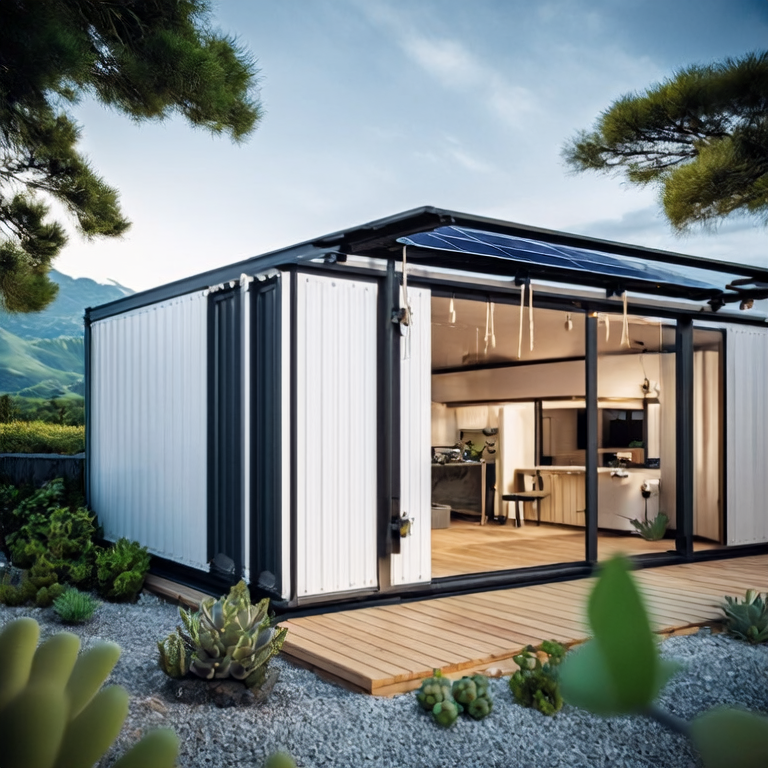
  1. Detailed Tutorials: Look for reliable resources that offer guidance on container house projects.
  2. Materials: Choose high-quality materials suited for your climate, such as corten steel or insulated panels.
  3. Tools: Have access to tools like a welding machine and standard woodworking equipment.
  4. Prerequisites: Familiarize yourself with local building codes and acquire necessary permits.

Step-by-Step Guidance to Customize Your Container House

  1. Research Container Types: Understand the different types of containers (20ft, 40ft, high cube) and their suitability for your design.
  2. Container House Types
  3. Create a Visual Plan: Use software or sketch ideas on paper that incorporate your desired layout and style.
  4. Choose Your Exterior Finish: Consider options such as wood paneling or paint to enhance visual appeal.
  5. Plan for Insulation and Ventilation: This is crucial for climate control; use spray foam or rigid insulation based on data indicating effective temperature regulation.
  6. Incorporate Windows and Doors Strategically: Optimize natural light and views by placing openings where they will have the most impact.
  7. Consult with Professionals: Engage architects experienced with container homes to ensure your design is realistic and compliant with regulations.
  8. Begin Construction: Follow your detailed plan, ensuring adherence to safety protocols throughout the building process.

Common Errors When Customizing a Container House

Many enthusiasts, like Sarah from Seattle, have faced common pitfalls during the customization journey. Sarah recounts, "I underestimated insulation needs. After completion, the house was too hot in summer and too cold in winter." Common errors include:

  • Overlooking Insulation: Insulation is key; improper insulation selection can lead to inefficient heating or cooling.
  • Ignoring Local Regulations: Always check your local laws to avoid costly fines or modifications.
  • Underestimating Costs: Budget for hidden expenses like permits and unexpected material costs.

Summary and Suggestions

Customizing a container house can be both exciting and challenging. It requires careful planning, a solid understanding of available options, and a readiness to adapt to unforeseen circumstances. Those looking to invest in a Jiacheng container house should prioritize research and preparation to elevate the overall design process.

Frequently Asked Questions (FAQs)

1. How much does it cost to customize a container house?

The cost can vary significantly, with a basic model starting around $10,000 but potentially exceeding $50,000 depending on customization and finishes chosen.

2. What is the lifespan of a container house?

With proper maintenance, a container house can last upwards of 25 years, comparable to traditional homes.

3. Can I finance a container house?

Yes, financing options are available through specialized loans for unique housing types; many banks recognize container homes as legitimate property.

Hot-Sale Product