Introduction
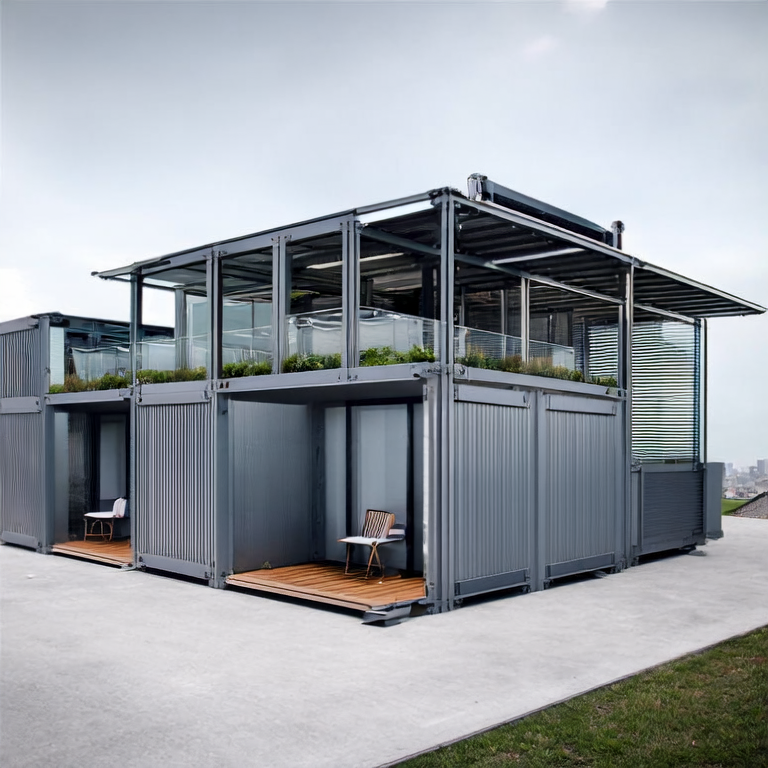
Prefabricated container houses are changing the way we think about homes. These innovative designs solve major housing issues like affordability, sustainability, and space limitations. Many people are curious about how these homes work and how they can fit into their lives. The modern prefabricated homes are made from recycled shipping containers. They are quick to assemble, versatile, and eco-friendly. With so many design possibilities available, it is easier than ever to tailor a container house to meet individual needs.
Summary Answer
**Modern prefabricated container home designs combine sustainability, cost-effectiveness, and unique aesthetics. They offer flexible living options and can be customized to suit various needs. These homes provide an innovative solution to traditional housing problems.**
1. Benefits of Prefabricated Container Homes
1.1 Cost Efficiency
Container homes are often cheaper than traditional houses. This lower cost can be attributed to reduced material expenses and shorter construction times. For example, the average cost of a container home ranges from $10,000 to $50,000 depending on size and design.
1.2 Quick Construction
One reason people choose container homes is their rapid assembly. Many homes can be completed in just a few weeks. This speed is especially beneficial for those needing immediate housing solutions.
1.3 Eco-Friendly Options
Recycling old shipping containers for housing reduces waste. Furthermore, homeowners can incorporate sustainable materials and energy-efficient designs. This focus on sustainability aligns with the growing trend of eco-conscious living.
2. Design Ideas for Container Homes
2.1 Minimalist Interiors
Minimalism embraces simplicity. Furnishing a container home with minimalist design enhances the feeling of space. Consider using multifunctional furniture to conserve space effectively.
2.2 Outdoor Spaces
Integrating outdoor living areas into the design has become increasingly popular. Decks, patios, and gardens can create a seamless connection between indoor and outdoor environments.
2.3 Modern Aesthetics
Container homes can be stylish and modern. Using large windows, sleek lines, and varying colors can make a container home visually appealing.
3. Tips for Building Your Container Home
3.1 Research Local Regulations
Before building, check your area's zoning laws. Regulations may vary by location. Understanding these rules will aid in avoiding legal issues during construction.
3.2 Choose the Right Containers
Selecting high-quality containers is crucial. Look for wind and water-tight containers to ensure durability.
3.3 Work with Professionals
Hire experienced architects or builders who understand container homes. Their expertise can help in designing spaces that are both functional and stylish.
Conclusion
In conclusion, modern prefabricated container home design ideas offer a practical and stylish solution to contemporary housing challenges. With their affordability, eco-friendliness, and rapid construction, these homes are an innovative choice for those seeking unique living spaces. Prefabricated container houses represent a new frontier in home design.
FAQ
What is a prefabricated container house?
A prefabricated container house is built from shipping containers, which are modified for residential use.
Are container homes affordable?
Yes, container homes are typically less expensive than traditional houses due to lower material costs and shorter build times.
How long does it take to build a container house?
Construction time can vary, but many container homes can be completed within a few weeks.
Can container homes be customized?
Absolutely. Container homes can be designed to meet specific needs and preferences, including layout and style.
Are container homes eco-friendly?
Yes, container homes use recycled materials and can be designed with sustainable elements, reducing their environmental footprint.
What are the main challenges of living in a container home?
Some challenges may include insulation, space limitations, and local zoning laws. However, these can be managed with proper planning.