What Materials Are Used in Container Homes?
Jul. 18, 2025
In recent years, the concept of Container Homes has gained significant traction as a solution to contemporary housing issues. With rising real estate prices, housing shortages, and a growing need for sustainable living options, container houses present an alternative that addresses these pressing concerns. Imagine a scenario where young families can now afford to own a home or where eco-conscious individuals can live without compromising on environmental integrity. Container homes are not just a trend; they're a viable solution to the housing crisis, offering both practicality and affordability.
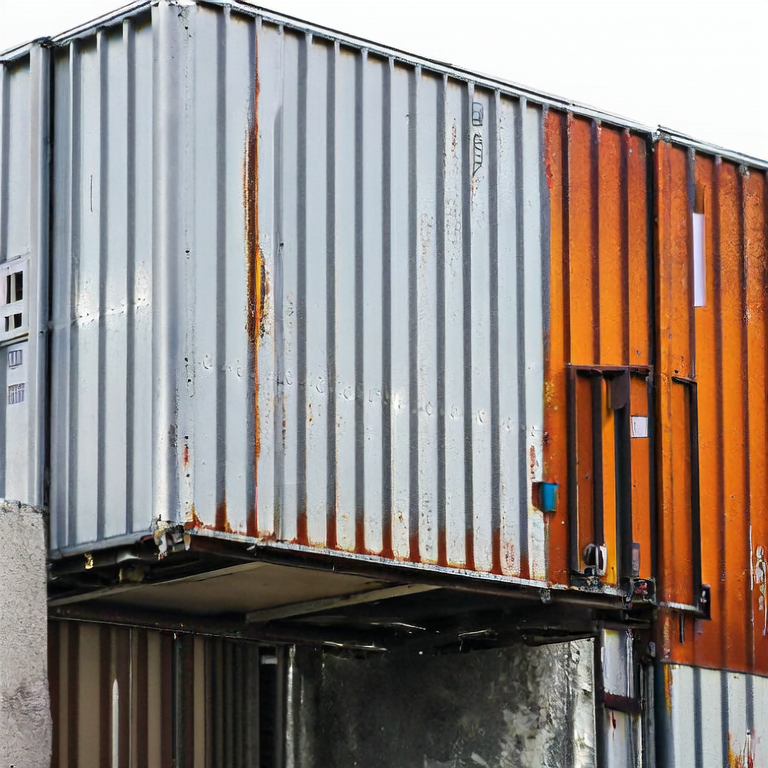
Container homes are structures built using repurposed shipping containers. These containers are made from weather-resistant steel, primarily used for transporting goods across seas, which makes them extraordinarily durable and fire-resistant. This durability means that container houses can withstand extreme weather conditions and are less likely to suffer significant damage over time.
Industry experts note that one 20-foot shipping container can provide approximately 160 square feet of living space, equivalent to some studio apartments. According to a report by the World Bank, converting shipping containers into homes can reduce construction waste by up to 80%, making it a sustainable choice for environmentally-conscious consumers.
Container homes are finding applications in various fields:
One of the greatest strengths of container homes lies in their flexibility. With a standard 20-foot container costing around $3,000 to $5,000, families can save significantly compared to the average U.S. home price, which, as of 2023, is approximately $350,000 (per the National Association of Realtors).
Container homes offer swift construction timelines, often taking only 4 to 10 weeks to complete due to their modular nature. Additionally, they have lower energy consumption rates compared to traditional homes, as they can be insulated efficiently. This is crucial in reducing monthly utility bills, making them both economically and environmentally sound.
If you're intrigued by the idea of container homes, consider reading a detailed user guide that explores the design, building process, and customization options available. Sites like Jiacheng offer valuable resources and services for those looking to invest in their future through innovative housing solutions.
Q: Are container homes safe in extreme weather?
A: Yes, container homes are built from durable steel and can withstand significant environmental stressors, including high winds and heavy snowfall.
Q: How long do container homes last?
A: With proper maintenance, container homes can last over 25 years, thanks to their strong construction materials.
Q: Can container homes be financed like traditional homes?
A: Yes, many lenders offer financing options for container homes, and they can be appraised similarly to traditional properties.
If you're ready to explore the innovative and affordable world of container homes, we invite you to delve deeper into the resources provided by Jiacheng. Discover how you can embark on your journey toward a sustainable and fulfilling future with a container home today.
Hot-Sale Product