Zoning Laws for Prefabricated Container Homes
Jul. 04, 2026
Zoning laws for prefabricated container homes can be confusing. Many people want to use shipping containers as homes but are unsure about the rules. These laws can vary greatly by location. Some areas allow container homes with few restrictions. Others have strict zoning laws that can stop you from building your dream home. Understanding these laws is crucial for successfully using flat pack containers for housing. In this article, we will explore the important aspects of zoning laws, regulations, and how they affect container homes.
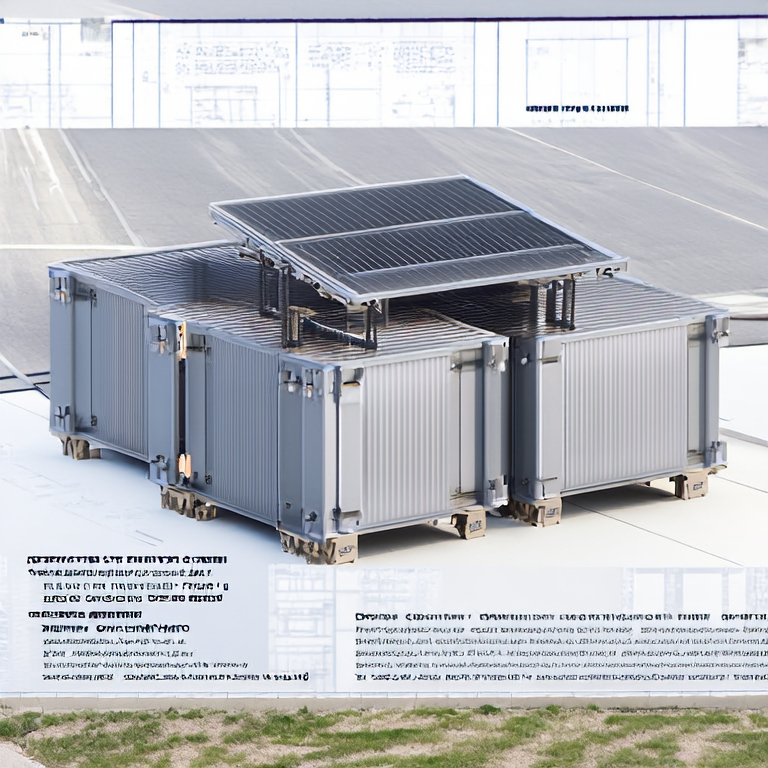
Zoning laws for prefabricated container homes dictate where and how you can build these structures. They vary by region and can affect permits, safety codes, and land use regulations.
Each city or town has its own zoning codes. These rules determine what can be built where. Some areas may not even allow container homes. Research your local laws to see if you can build one.
Most places require building permits for any new construction. This process can include inspections and approvals. Ensure you obtain the necessary permits before starting your project to avoid fines or delays.
Land use regulations tell you how the land can be used. This includes residential, commercial, or agricultural purposes. Be aware of these designations when planning your container home.
Construction standards cover the safe building practices that must be followed. These standards can involve things like fire codes or structural integrity. Check your local building department for specific requirements.
Ensure that your container home can connect to utilities like water and electricity. Most places have regulations that require proper connections. Be prepared to make arrangements for these services.
In conclusion, zoning laws for prefabricated container homes can greatly influence your housing project. By understanding local codes, permits, land use regulations, construction standards, and utility access, you can successfully navigate the process of building with flat pack containers. Taking the time to research these aspects will help ensure your container home is legally compliant and a dream come true.
1. Can I build a container home anywhere?
No, zoning laws restrict where you can build. Check local regulations.
2. What permits do I need for a container home?
Typically, you need building permits. Verify with your local building department.
3. Are there specific construction standards for container homes?
Yes, there are specific standards for safety and structural integrity. Check with local authorities.
4. How do zoning laws affect container homes?
Zoning laws dictate if and where you can build. They influence land use and permit requirements.
5. What if my area doesn’t allow container homes?
You may need to advocate for changes in the zoning laws, or consider areas with more favorable regulations.
6. Can flat pack containers be customized to meet local codes?
Yes, flat pack containers can be modified to meet various building codes. Work with a professional for guidance.
Hot-Sale Product